


Service Areas
About Heather Colson
ASSOCIATE BROKER | REALTOR(R)
ALABAMA GULF COAST REALTOR(R) | Mobile & Baldwin County Real Estate Expert
When buying or selling property on the Alabama Gulf Coast, you deserve more than an agent - you deserve a dedicated advocate with deep roots, proven results, and an unwavering commitment to your success.
As a NAR C2EX (Commitment to Excellence) Endorsed REALTOR(R) - one of the highest professional endorsements granted by the National Association of REALTORS(R) - I bring a verified standard of ethics, skill, and service that sets me apart in the Mobile and Baldwin County markets.
Why Gulf Coast buyers and sellers choose me:
? 35+ years living on the Alabama Gulf Coast - I know this market intimately, from Mobile Bay's eastern and western shores to the beaches of Baldwin County
? Exceptional communication - you'll always know where you stand; no guesswork, no waiting'; only direct and individualized communication
? Skilled negotiator - I fight for your best outcome on every offer, counteroffer, and closing detail
? Raised in real estate - with family roots in construction and commercial development across Mobile and Baldwin Counties, real estate isn't just my career - it's in my DNA
? Community-invested - thousands of volunteer hours across Mobile and Baldwin Counties reflect the same values I bring to every client relationship
Whether you're a first-time homebuyer, a move-up seller, or a real estate investor exploring Gulf Coast opportunities, I guide you through every step with clarity, confidence, and calm.
Buying or selling a home is one of the largest financial decisions of your life. You need someone who listens - truly listens - to your goals, and has the knowledge, experience, and local connections to make it happen.
? Proudly serving Mobile County, Baldwin County, Eastern Shore, Gulf Shores, Orange Beach, Daphne, Fairhope, Spanish Fort, Saraland, Dauphin Island and surrounding communities.
Honest. Ethical. Committed to Excellence.
OTHER LANGUAGES
Community Involvement
HOBBIES/INTEREST
Specialties
- Sellers
- Buyers
- Residential Property
Awards

Other Awards
2026 Top Agent
Answered Questions
You are asking all the right questions! The key here is to identify the current and future risks you will be taking in purchasing a property with unpermitted renovations and determine your tolerance to that risk. Your 'risk tolerance' is also determined by how you intend to use the property over time (live onsite?) or what you intend to do with the property after closing (rent or flip?). If living in the home yourself : will you be purchasing with a loan or using cash for the purchase? Will you be obtaining Home Owners Insurance on the property at closing? Lender and Insurance underwriting teams usually do a very thorough job of researching permits on updates to a particular property (assessing their risk to cover or approve the home for a loan) and will usually deny a loan or deny coverage until all renovations are brought up to code. If you are in the process of negotiating repairs on the purchase, I strongly recommend you hire a licensed contractor to give you a cost & needs assessment of what it would take to bring the property up to current codes and safety standards before closing - especially if you are purchasing with a loan - and negotiate for the seller to repair prior to closing. If buying cash, see if you can split the brunt of the repair costs to be performed by licensed contractors with the seller via repair negotiations before closing and then complete the remainder at your convenience with a licensed contractor after closing. Please keep in mind if you are purchasing the home with cash, owner occupying the home, and self-insuring you must understand that fire or other problems are much more likely to occur through lack-luster work performed by unlicensed individuals; and since you are aware of the concern prior to closing on the sale, this could substantially raise your liability threat-level should any individuals be harmed on your property as a result of any system malfunction. If you purchased with a loan and obtained home owners insurance, should any fire or hazard occur as a result of unpermitted work then insurance could deny the claim after the fire forensics report and leave you to manage the damages on your own. Thinking forward to a time when you may either want to rent out the home or resell it, understand that you may experience significant challenges trying to resell unless you take on the financial liability to bring all systems up to current safety codes in order for a future buyer to obtain financing and insurance coverage in that sale. In renting the home in the future instead of reselling, I strongly recommend that you bring all unpermitted renovations in the home up to current codes and standards, as neglecting to do so before placing a tenant could expose you to overwhelming legal trouble should a tenant be injured or lose their life due to hazard caused by the unpermitted work. (You might want to check your state Landlord Tenant Laws to determine owner liability in regards to property conditions.) Hope this helps you to make a clear and informed decision going forward!
Great question! First I hope you are being represented by a licensed real estate agent who is skilled in negotiations and is able to communicate well with the seller's agent, because large ticket requests usually take some finessing by a good agent representatives to accomplish. The first question to ask is 'how are you purchasing the property' : with a loan or cash? If you are using a loan, then a lender will want to reduce their risk liability on the home to make sure there are no impending system failures that could cause the home to lose value during the term of the loan (i.e. the roof is a 'system' of protection for the entire home). Next question is will you be obtaining insurance on the property at closing (keep in mind, any financed home purchase will require an insurance policy to be in place by the new buyer to cover both the lenders and the borrowers risk). Since this was a professional home inspection performed - now the seller is aware that the roof was determined to be end of life (the inspector would have documented his findings) and thus even if he terminated the purchase with you, he will have to face this concern with all future buyers until he either resolves it in some way or reduces the price for a cash buyer. (**Some state laws require the seller to update their Property Disclosures once a defect has been discovered**). You & the seller can both obtain roofing contractor quotes on what it would cost to repair or replace the roof to a level that can be insured; and then present your findings to negotiate a repair or replacement; many roofing companies will offer free quotes to inspect and determine appropriate courses of action - make sure they are Licensed & Bonded. After you gather all the information from your insurance company, inspector, state laws, and lender regarding loan requirements - your agent can take all that back to the listing agent and negotiate a suitable outcome for you regarding the roof and your purchase. (I've negotiated many total roof replacements for my clients, once I had all the right data and info available to me to present my clients position effectively; so its possible for you and your agent.) Best of luck!
Basically, an escalation clause is your way of saying, "I don't want to overpay aEUR" but I also don't want to lose." Your agent's version - $2,000 over the highest offer, capped at $600k - is pretty standard. It automatically bumps your bid above whoever else is competing, without you having to go back and forth. The upside is real - if there's no competition, you don't escalate at all. You only pay more if someone actually triggers the clause to go into effect. And in a hot market with multiple offers flying around, this kind of clause is often what gets people across the finish line on the home they love. I know you feel like you are showing your hand - and that is a fair concern. The seller now knows your ceiling is $600k.....that's information they didn't have before. But your agent should be just as smart and include wording in your offer to get you verification of how, where, and to what extent the escalation clause was triggered. There should be no ambiguity in your offer communication, so that your interests are protected and the guardrails are firmly set in place. Has anyone actually won using this? Yep! All the time. ...current company included. Escalation Clauses are a legal tool, available to you the buyer, to use in competitive markets. The clause itself isn't the problem aEUR" it's whether there are guardrails around it. It's there for you to use if the market is genuinely hot, and your agent has real reason to believe there are other offers on the property you are interested in - and WANT! Skip it if the market is slow, your agent is just guessing, or you're already at the edge of what you can afford. The bottom line: it's a legitimate move, not a gimmick aEUR" as long as you protect yourself by demanding to see any offer that triggers it.
Great question, and I'm glad you're asking before jumping in. Fractional ownership is not a scam aEUR" but it's also not what most people think it is when they first hear about it. How it actually works: Companies like Pacaso structure these as an LLC ownership model. You're literally buying a legal share of a property aEUR" not just booking time in it. That's the key difference from a timeshare. With a timeshare, you own nothing. With fractional ownership, you have a deeded interest in a real asset. Can you actually build equity? Yes and no. You can benefit if the property appreciates aEUR" your share goes up in value along with it. But here's the reality check: these are almost always vacation or luxury properties, not primary residences. The equity-building potential is tied entirely to how that specific market performs, and luxury vacation markets can be volatile! The resale question is the one I'd push hardest on. This is where you need to do your homework before signing anything. The secondary market for fractional shares is thin aEUR" meaning there aren't a lot of buyers lined up when you want out. Pacaso does operate their own resale platform, which helps, but it's not the same as listing a home on the open market. Ask specifically: *What's the average time to sell a share? What fees are involved in reselling?* Is it a glorified timeshare? Structurally, no. Legally, you own something real. But the *lifestyle limitations* can feel similar aEUR" you're sharing the calendar with co-owners, there are usage rules, and you don't control the property the way you would a home you own outright. Here's my honest take for someone trying to get into a high-priced market. If your goal is building long-term wealth through real estate, fractional ownership in a vacation property is a different vehicle than buying a primary residence or even a traditional investment property. It might scratch the itch of owning real estate, but it's unlikely to be the foothold into a high-priced market that gets you to your next purchase. You would make better investments over time by having full ownership control over your assets to leverage and utilize as needed.
I'm so sorry about your mother. This is such a hard time, and the fact that you're thinking ahead to handle things well is a loving act aEUR" it will save you enormous stress and protect her wishes. Let me walk you through everything you should gather and discuss with her now as you prepare: dY? About the House Ask her (and document or locate): Where is the deed? - Find out if the home is in her name only, jointly owned, or already in a trust. This determines *everything* about how the transfer works. Is there a mortgage (or Reverse Mortgage) on the home? Get the lender name, account number, and approximate balance. Ask if she has mortgage life insurance. How is the title held? Joint tenancy with right of survivorship means it passes automatically to the co-owner. Tenancy in common means it goes through probate after passing, which may take a significant amount of time before being released to sell. Is the home in a living trust? If so, it avoids probate entirely aEUR" a huge gift to you! What are the property taxes? Find out if she has any exemptions (senior, homestead) so you know what changes after she passes. Any liens or debts on the property? Home equity loans, unpaid taxes, contractor liens aEUR" these must be resolved before or at sale. When did she buy it and for how much? This is her **cost basis**, which affects capital gains taxes when you sell. dY",, Critical Documents to Locate *Now* Sit with her and physically find these: | Document | Why It Matters | | **Will** | Determines who inherits everything | | **Trust documents** | May transfer assets without probate | | **Deed to the home** | Proves ownership, shows how title is held | | **Financial account statements** | Banks, investment, retirement accounts | | **Life insurance policies** | Beneficiary designations override the will | | **Social Security info** | Payments stop at death; overpayments must be returned | | **Birth certificate & marriage/divorce records** | Needed for probate and legal name verification | | **Tax returns (last 2"3 years)** | Helps establish her financial picture | | **Mortgage documents** | Outstanding balance, lender contact | | **Vehicle titles** | Cars also need to be transferred | as-i,? Legal & Estate Questions to Ask Her Does she have a will? If not, now is the time to get one drafted aEUR" even a simple one. Does she have a durable power of attorney set up? This lets you act on her behalf *before* she passes, which can be critical. Who is the executor of her estate? This is the person (possibly you) responsible for carrying out the will. Who are the beneficiaries on her accounts? Bank accounts and retirement accounts with named beneficiaries skip probate entirely. Has she spoken to an estate attorney? If not, even one session now can save thousands later. dY'? About Selling the House After She Passes Here's what the process will typically look like: 1. Probate (if no trust): If the home is solely in her name without a trust, it likely goes through probate court before you can sell. This can take months. An estate attorney is essential here, and there may be additional costs to pay attorneys and court fees from the proceeds of the sale of the home. 2. Step-up in cost basis: This is a *significant* tax benefit aEUR" when you inherit the home, its cost basis resets to the fair market value at the date of her death. This often means little to no capital gains tax if you sell relatively soon after. 3. Get an appraisal early: To establish that stepped-up basis, you'll want a formal appraisal around the time of her passing. 4. Estate taxes: For most people this isn't an issue (the federal threshold is over $13 million), but check your state's rules. 5. Selling timeline: You don't have to rush. The estate can hold the property while things are sorted. A good real estate agent experienced in estate sales will be invaluable. dY'! How to Have This Conversation With Her It doesn't have to be clinical or scary. You might say something like: "Mom, I love you and I want to make sure I honor everything you've worked for, exactly the way you'd want. Can we spend some time going through your important papers together?" Many people actually feel relieved to do this aEUR" it gives them peace knowing things are in order. Make it a loving, unhurried afternoon together if you can. Your Most Important Next Steps 1. Find and review the will and deed aEUR" today if possible 2. Consult an estate attorney (many offer free or low-cost consultations) 3. Make a folder or binder with copies of every document listed above 4. Ask her to add you to accounts or name you as beneficiary/POD (Payable on Death) where appropriate You are doing a beautiful, selfless thing by planning ahead. Take it one step at a time aEUR" and don't hesitate to lean on professionals (estate attorney, CPA, real estate agent professional) to carry some of this weight with you. You don't have to figure it all out alone. dY'(TM)
Contact Information
Location
Social Media


Available Listings View All

 View All Listings
Trusted Professionals

Trusted Pro
Heather Colson is a Trusted Pro with a network of verified professionals.

Loan Officer
Marketing Materials



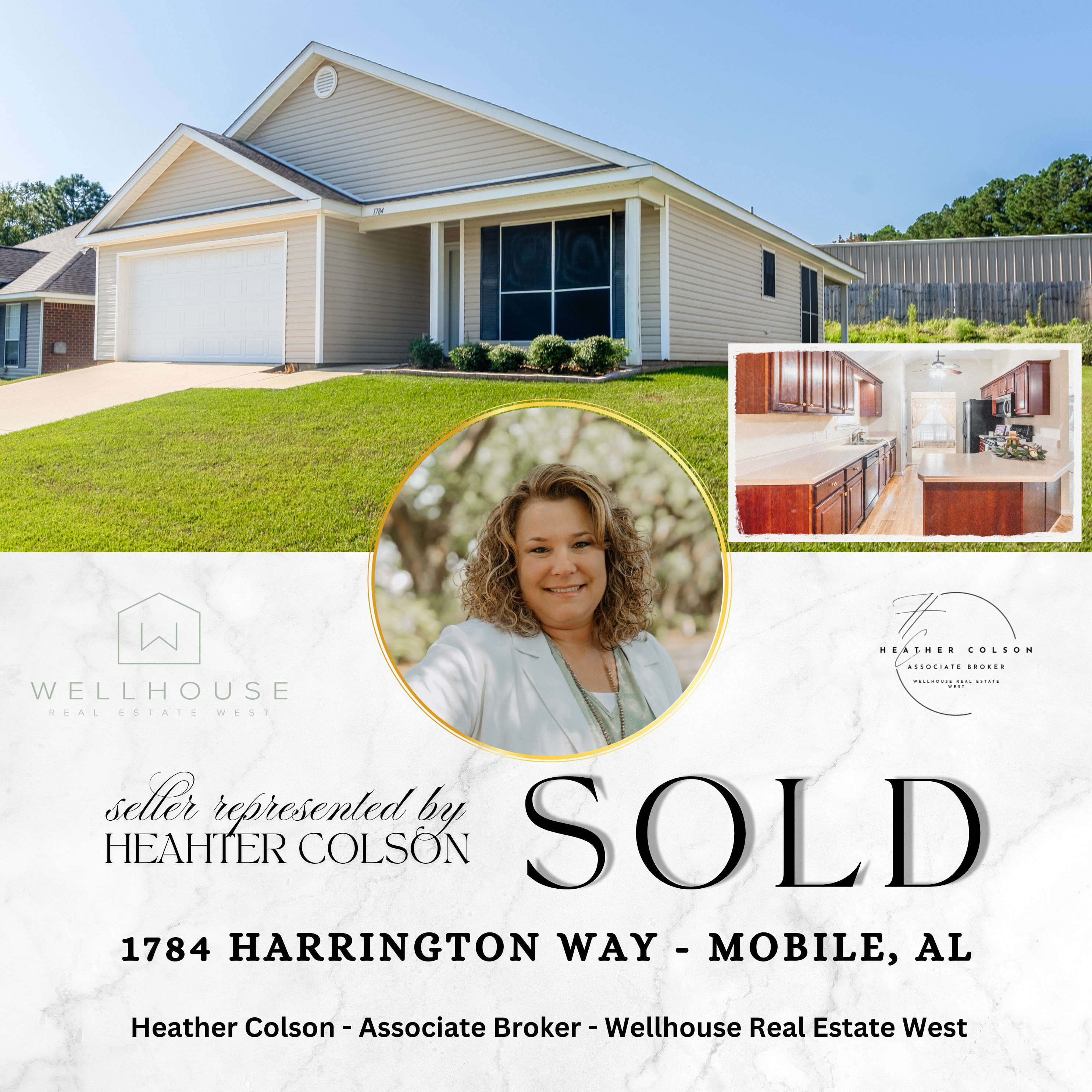
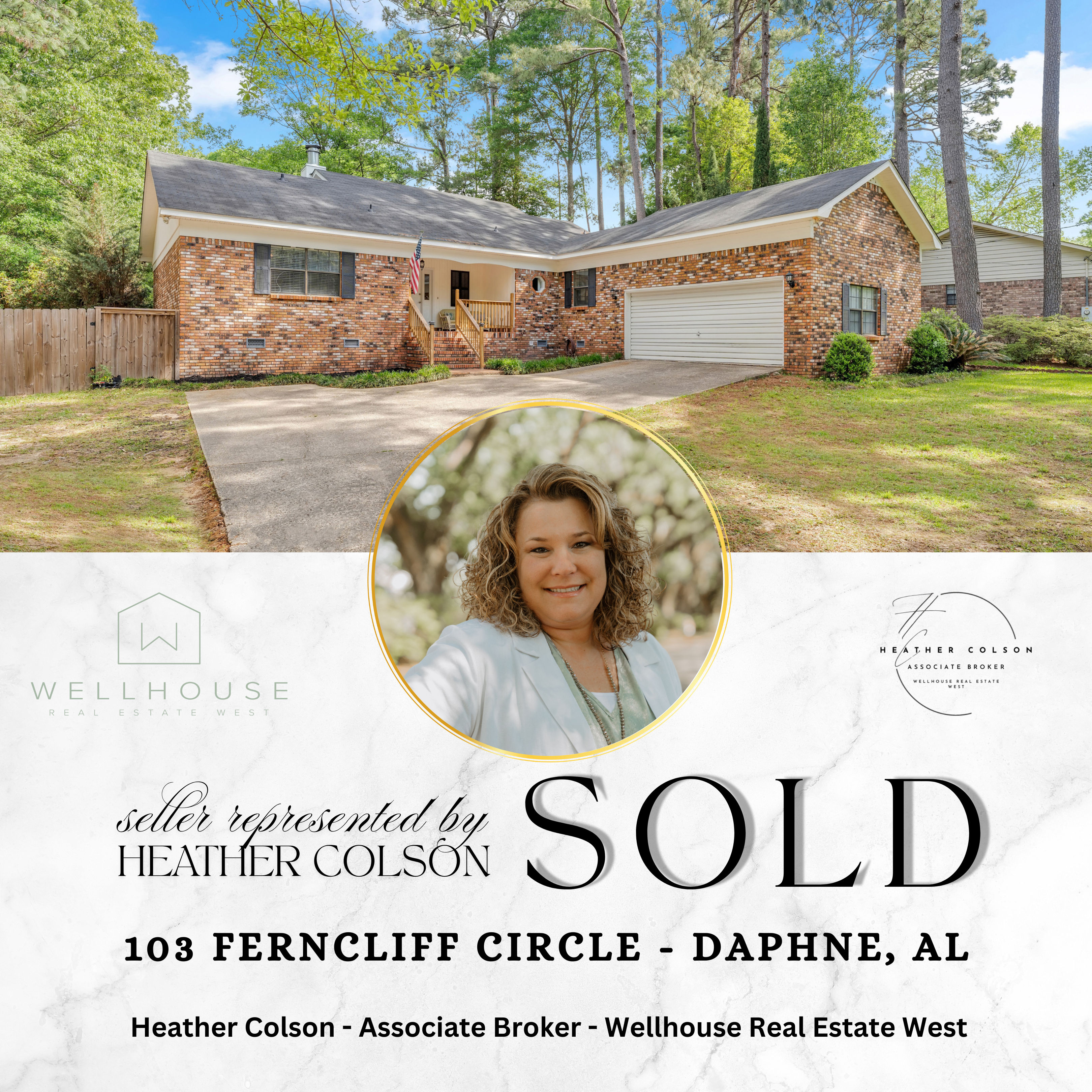
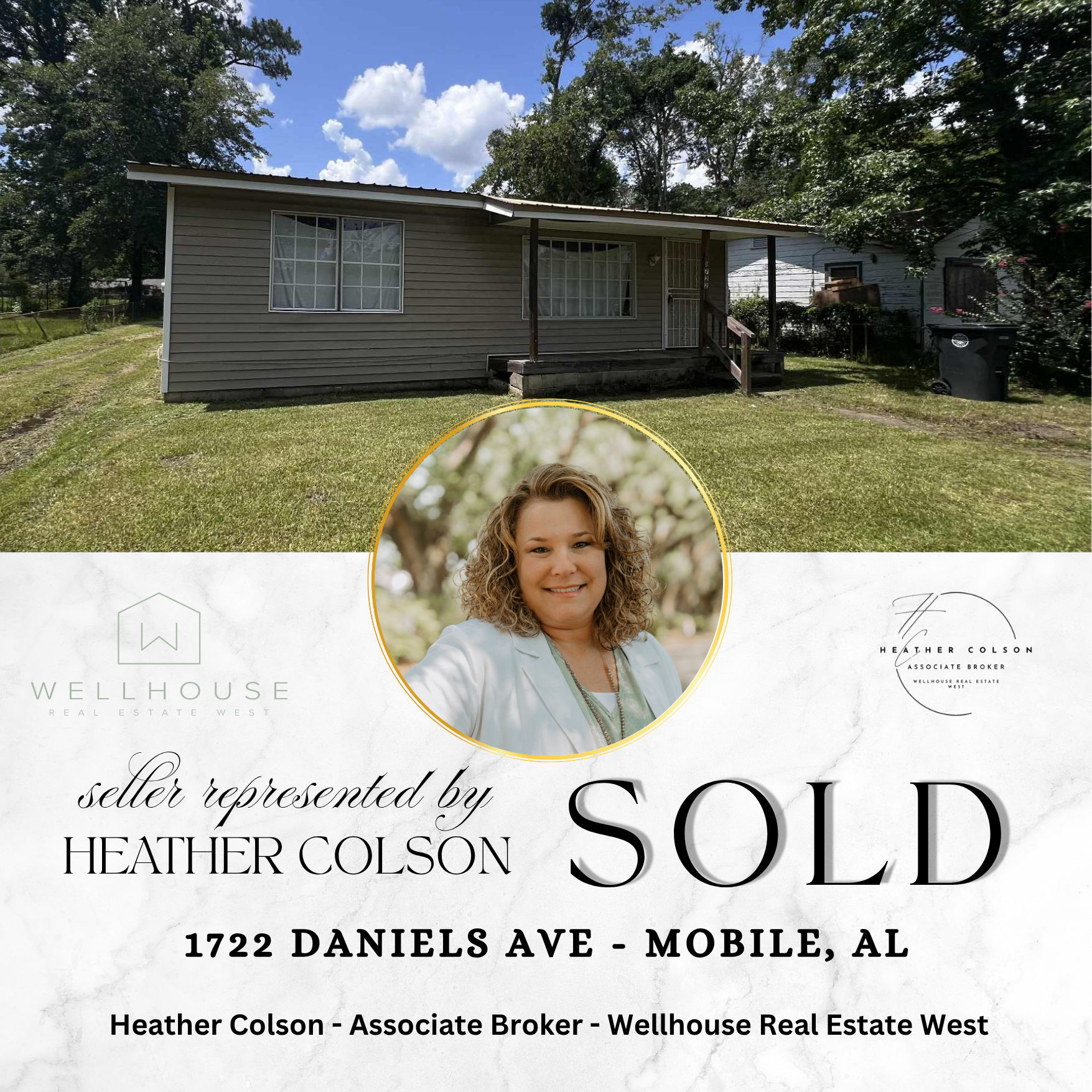
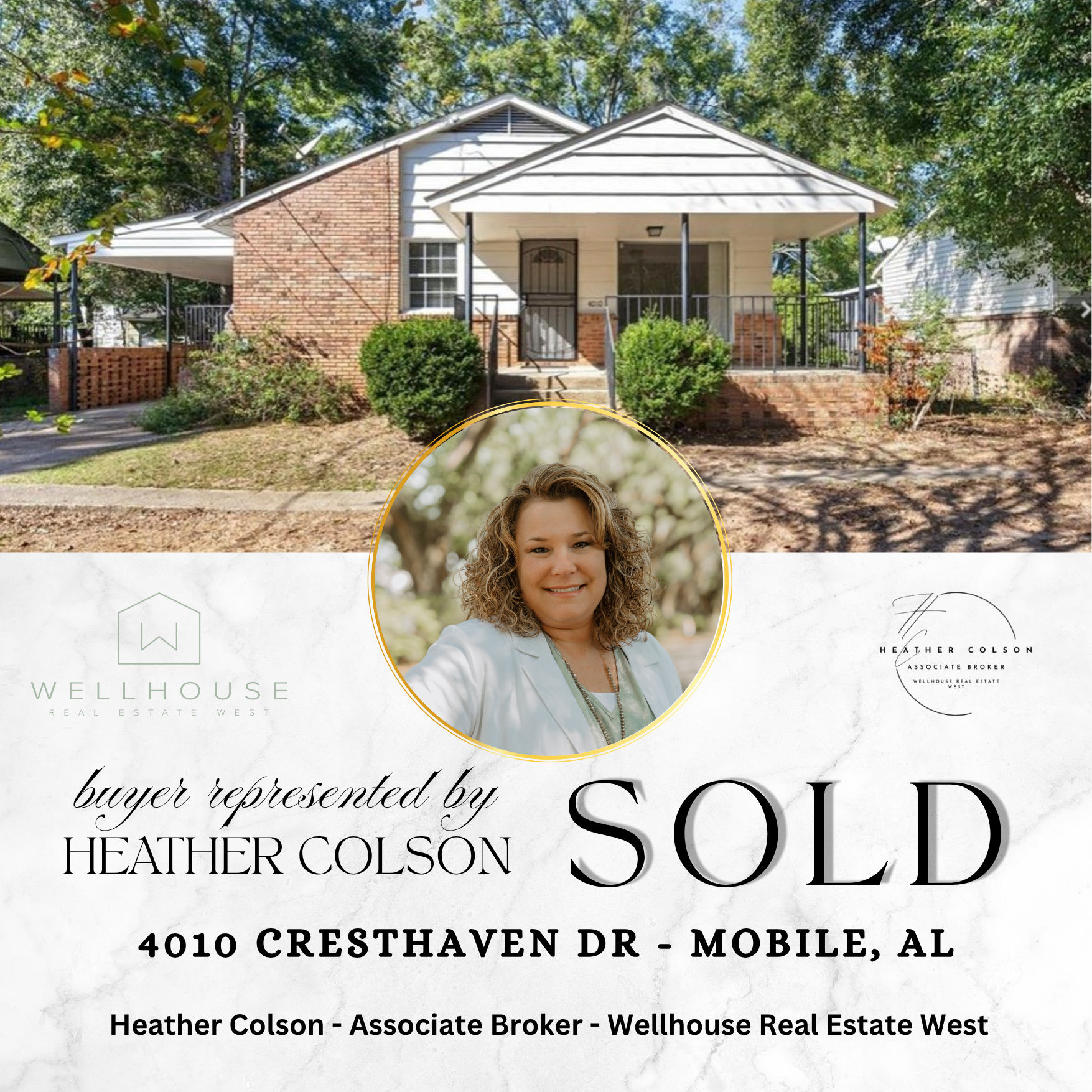

 ZillowVERIFIED